Evaluation Man Ray
Man Ray Valuations - Want to sell a Man Ray piece? Request a complimentary and confidential valuation!Casa d'Aste Arcadia will review your submission and offer a free-of-charge estimate, if your item is suitable for our auctions.
biography
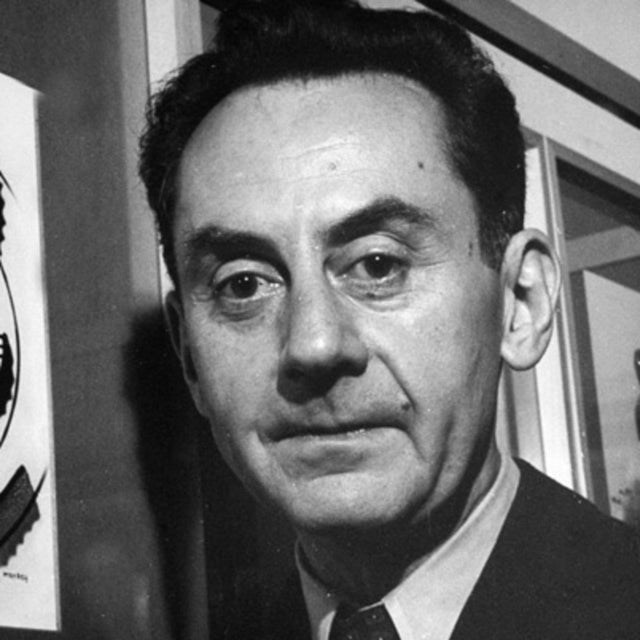
Man Ray, pseudonym of Emmanuel Radnitzky, was born in Philadelphia on August 27, 1890, to Jewish parents of Russian origin who had emigrated to the United States. From a young age, he showed great artistic sensitivity, working as a draftsman and graphic designer at just eighteen. In 1912 he adopted the name Man Ray and in 1914 bought his first camera, beginning experiments that revolutionized photography. Moving to New York, he was influenced by Cubism and closely collaborated with Marcel Duchamp, co-founding the Society of Independent Artists in 1916 and animating American Dadaism with initiatives like the New York Dada magazine in 1921.
In 1921 he moved to Paris, becoming a protagonist of the avant-garde scene. There he invented rayographs in 1922, photograms obtained by placing objects directly on sensitive paper without a camera, a casual innovation that became a symbol of his surrealist approach. He portrayed celebrities like Gertrude Stein, James Joyce, Jean Cocteau, Pablo Picasso, and his muse Kiki de Montparnasse. He worked for Vogue as a fashion photographer while producing avant-garde films like Le retour à la raison (1923), Emak-bakia (1926), and L'étoile de mer (1928), precursors of surrealist cinema. He was among the first surrealist photographers, exhibited in the movement's inaugural show in 1925.
In the 1940s he returned to the United States due to the war, marrying Juliet Browner in Los Angeles, where he focused on realist painting. Back in Paris in 1951, he continued his artistic research until his death on November 18, 1976. He received accolades such as the gold medal for photography at the Venice Biennale in 1961 and a major retrospective at the Institute of Contemporary Art in London in 1959. His works, including the famous Cadeau, are today sought after in auctions like those of Arcadia, confirming his status as a multifaceted innovator of 20th-century Dada and Surrealism.
In 1921 he moved to Paris, becoming a protagonist of the avant-garde scene. There he invented rayographs in 1922, photograms obtained by placing objects directly on sensitive paper without a camera, a casual innovation that became a symbol of his surrealist approach. He portrayed celebrities like Gertrude Stein, James Joyce, Jean Cocteau, Pablo Picasso, and his muse Kiki de Montparnasse. He worked for Vogue as a fashion photographer while producing avant-garde films like Le retour à la raison (1923), Emak-bakia (1926), and L'étoile de mer (1928), precursors of surrealist cinema. He was among the first surrealist photographers, exhibited in the movement's inaugural show in 1925.
In the 1940s he returned to the United States due to the war, marrying Juliet Browner in Los Angeles, where he focused on realist painting. Back in Paris in 1951, he continued his artistic research until his death on November 18, 1976. He received accolades such as the gold medal for photography at the Venice Biennale in 1961 and a major retrospective at the Institute of Contemporary Art in London in 1959. His works, including the famous Cadeau, are today sought after in auctions like those of Arcadia, confirming his status as a multifaceted innovator of 20th-century Dada and Surrealism.
Past lots of Man Ray
Man Ray
(Philadelphia , 1890 - Parigi, 1976)
La mannequin
Firma e numerazione "Man Ray, 11/150". Timbro a secco e a inchiostro (al verso) della Grafica Lombardi Acquaforte/acquatinta [..]
Sold
Man Ray
(Philadelphia , 1890 - Parigi, 1976)
Costume de bal
Firma e numerazione "Man Ray, 140/150". Timbro a secco e a inchiostro (al verso) della Grafica Lombardi Acquaforte/acquatinta [..]
Sold
Man Ray
(Philadelphia , 1890 - Parigi, 1976)
Les six masques voyants
Firma e numerazione "Man Ray III/XL". Timbro a secco in basso a sinistra. Litografia cm 70x51
Sold
Man Ray
(Philadelphia , 1890 - Parigi, 1976)
La montagna di cristallo
Firma e numerazione "Man Ray, 45/70" Litografia cm 70x50 - in cornice cm 77x58
Sold
Man Ray
(Philadelphia , 1890 - Parigi, 1976)
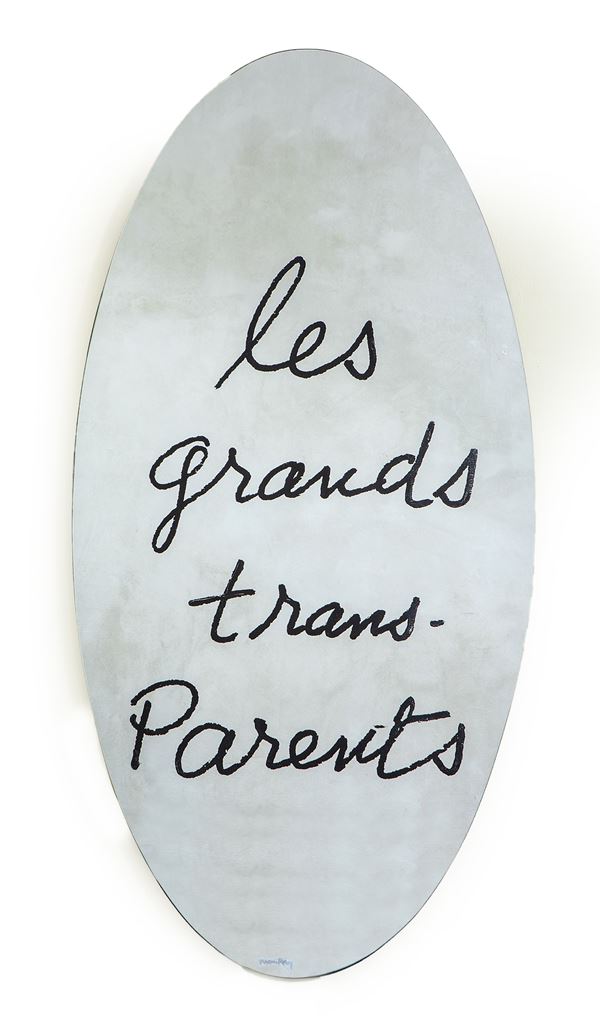
Les Grands Trans-Parents
In basso al centro "Man Ray" Specchiera cm 180x90