
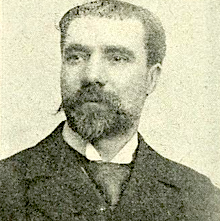
Evaluation Jules Jacques Théodore Dominique Labatut
Jules Jacques Théodore Dominique Labatut Valuations - Want to sell a Jules Jacques Théodore Dominique Labatut piece? Request a complimentary and confidential valuation!Casa d'Aste Arcadia will review your submission and offer a free-of-charge estimate, if your item is suitable for our auctions.
biography
Jules Jacques Théodore Dominique Labatut, known as Jules Jacques Labatut, was a renowned French sculptor born on July 30, 1851, in Toulouse and died on April 29, 1935, in Biarritz. He began his studies at the École supérieure des beaux-arts in Toulouse, where he was a student of Latger and Gorse in drawing, and of Henri Maurette and Auger in sculpture. In 1875, he moved to Paris to attend the École nationale supérieure des beaux-arts, studying under François Jouffroy and Antonin Mercié. Labatut distinguished himself with his neo-baroque style, creating bas-reliefs, sculptural groups, allegorical statues in marble and bronze, as well as highly expressive portrait busts.
In 1881, he debuted at the Salon with the statue Narcisse surpris de sa beauté, earning a third-class medal and, in the same year, the prestigious first Prix de Rome in sculpture. He received further accolades, including a second-class medal at the 1884 Salon and awards at the 1889 Paris Universal Exposition, where several of his works were exhibited. He was appointed Chevalier of the Légion d'honneur, solidifying his status among the leading French sculptors of the 19th and 20th centuries. Works like Roland à Roncevaux exemplify his technical mastery and dynamic approach to form.
The sculptures of Jules Jacques Labatut, often auctioned by the house Arcadia, represent a reference point for collectors and scholars of French neo-baroque art. His output, characterized by a balance between realism and ornamentation, continues to be valued in art auctions and galleries specializing in 19th-century sculpture.
In 1881, he debuted at the Salon with the statue Narcisse surpris de sa beauté, earning a third-class medal and, in the same year, the prestigious first Prix de Rome in sculpture. He received further accolades, including a second-class medal at the 1884 Salon and awards at the 1889 Paris Universal Exposition, where several of his works were exhibited. He was appointed Chevalier of the Légion d'honneur, solidifying his status among the leading French sculptors of the 19th and 20th centuries. Works like Roland à Roncevaux exemplify his technical mastery and dynamic approach to form.
The sculptures of Jules Jacques Labatut, often auctioned by the house Arcadia, represent a reference point for collectors and scholars of French neo-baroque art. His output, characterized by a balance between realism and ornamentation, continues to be valued in art auctions and galleries specializing in 19th-century sculpture.
Past lots of Jules Jacques Théodore Dominique Labatut
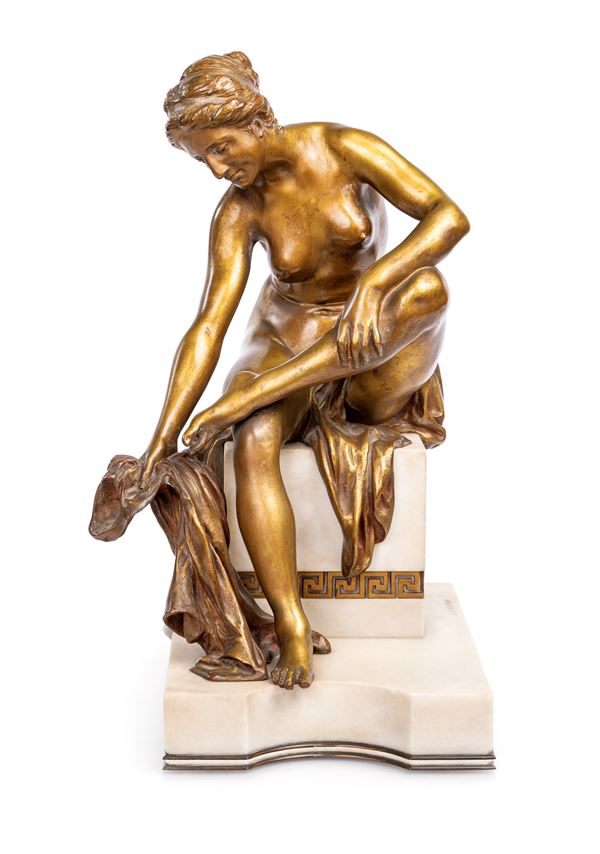
Jules Jacques Théodore Dominique Labatut
(Tolosa, 1851 - Biarritz, 1935)
Bagnante
Firmata "J. Labatut" sulla base. La scultura raffigura una giovane donna nuda, colta in un momento intimo e quotidiano, [..]
Sold