
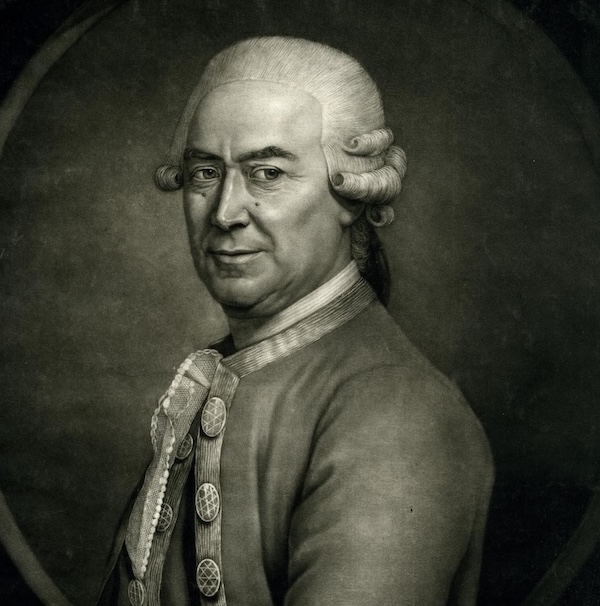
Evaluation Jean-Pierre-Antoine Tassaert
Jean-Pierre-Antoine Tassaert Valuations - Want to sell a Jean-Pierre-Antoine Tassaert piece? Request a complimentary and confidential valuation!Casa d'Aste Arcadia will review your submission and offer a free-of-charge estimate, if your item is suitable for our auctions.
biography
Jean-Pierre-Antoine Tassaert, Flemish sculptor born in Antwerp in 1727 and died in Berlin on January 21, 1788, came from an artistic family and developed a brilliant career that took him from France to Prussia. At fifteen, he moved to London, but it was in France that he achieved success, regularly exhibiting at the Salon with small rococo mythological and allegorical figures and groups. Appreciated by the aristocracy, including the Marquise de Pompadour, he received numerous commissions, working at the Pavilion du Roi for General Etienne-Michel Bouret. His works blend rococo and neoclassicism, featuring portraits and mythological sculptures such as L'Amour prêt à lancer un trait at the Musée national du château de Malmaison and Painting and Sculpture at the National Gallery of Art. In 1768, through the mediation of Jean le Rond d'Alembert, he was appointed third director of the royal sculpture workshop in Berlin by King Frederick the Great, succeeding the Frenchmen François Gaspard Adam and Sigisbert-François Michel. In Prussia, he experienced a period of intense artistic activity, creating marble statues for the Sanssouci palace, including Bacchus, a faun, and two Bacchantes, as well as public monuments like the statues of General von Seydlitz and Field Marshal von Keith at Wilhelmplatz, now at the Bode Museum. His creations, including Head of a Cupid and Reclining Bacchante, reflect technical mastery and stylistic refinement, making him a key figure in the transition from rococo to neoclassicism. Jean-Pierre-Antoine Tassaert's works are today featured in auctions at Arcadia, confirming their value in the market for Flemish and European sculpture.
Past lots of Jean-Pierre-Antoine Tassaert
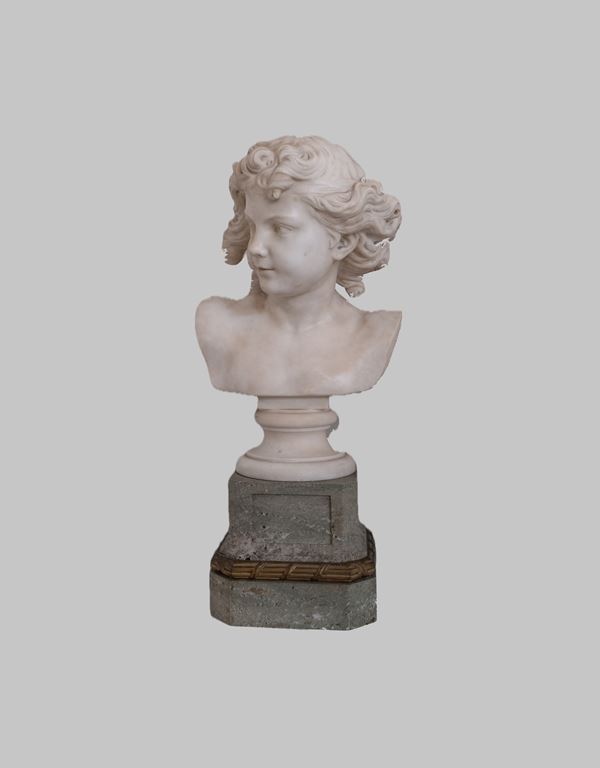
Jean-Pierre-Antoine Tassaert
(Anversa, 1727 - Berlino, 1788)
Follower of
Busto di Cupido
il volto rivolto verso la spalla destra, i capelli ondulati idealmente mossi dal vento ed un ricciolo ricadente sulla fronte. [..]
Sold